


The Psychological Impact of Colors in Interior Design

Chosen theme: The Psychological Impact of Colors in Interior Design. Step into a home where every shade carries a feeling, and every room tells a gentler, more intentional story. Here we explore how color choices influence mood, behavior, and connection—blending research with relatable anecdotes and practical guidance. If this resonates, subscribe and share your own color experiences so we can learn together.

How Color Shapes Emotion at Home

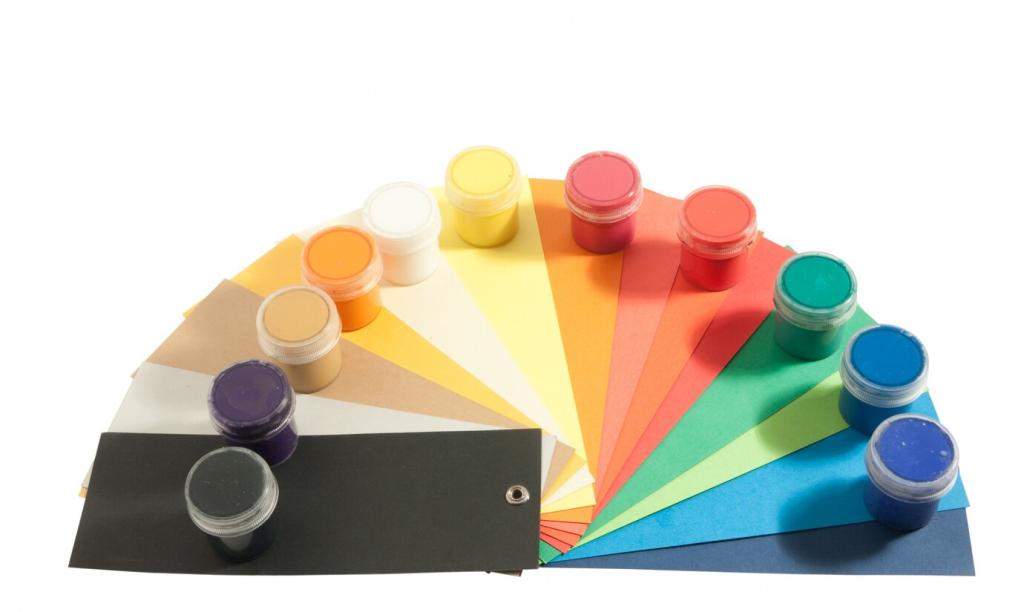
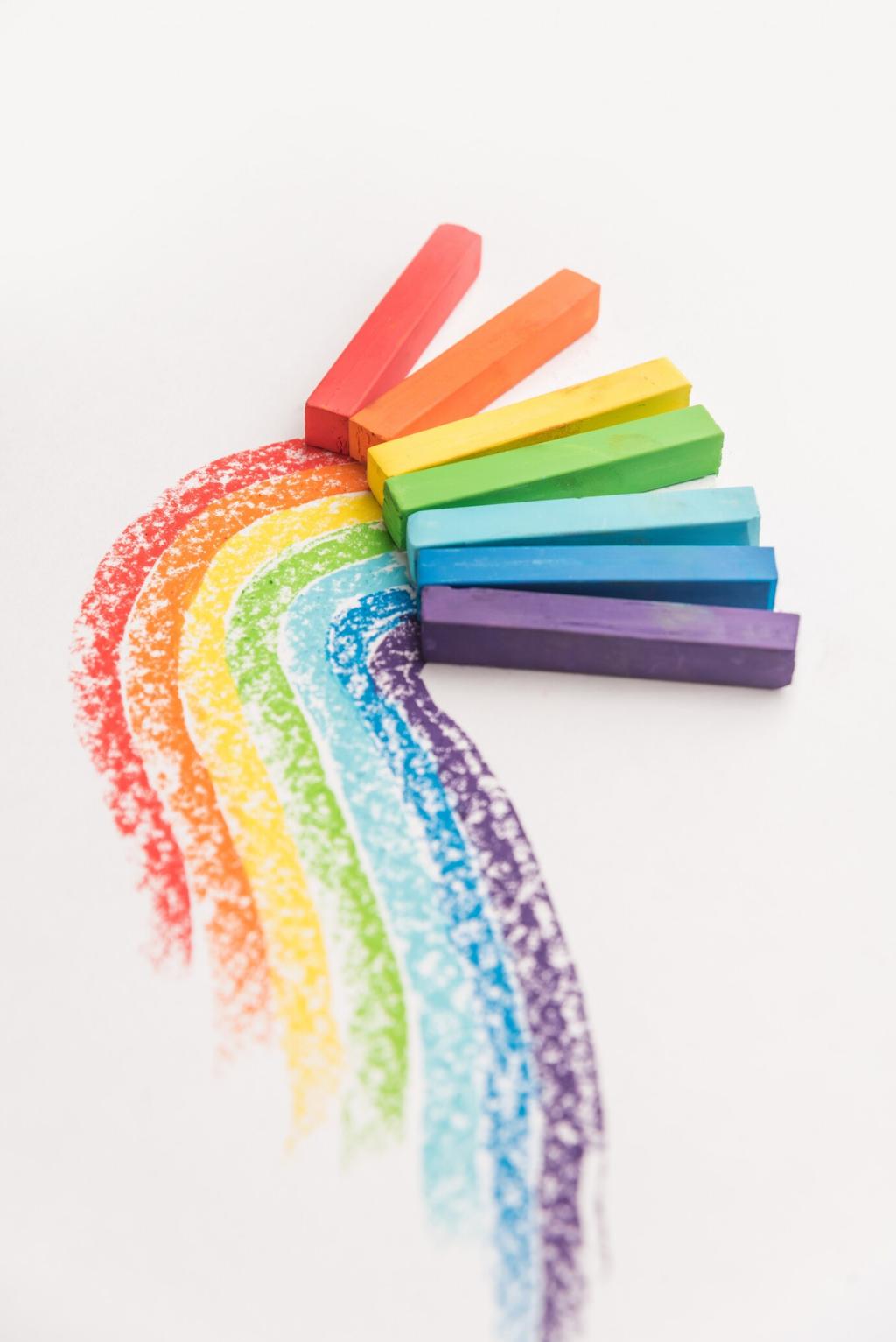
Reds, oranges, and sun-warmed yellows often feel lively because they mimic the visual temperature of firelight and sunset. In moderation, they can encourage conversation and appetite. Overused, they may overstimulate. How do warm accents change your evenings?
Blues, greens, and soft teals are associated with water, sky, and foliage, which many people experience as soothing. These colors can lower perceived stress and support concentration. Paired with natural textures, they are especially grounding. What calms you most?
Gentle neutrals—mushroom, oat, stone, and warm gray—create visual rest between stronger accents. They help small rooms feel larger and give your eye places to recover. Consider them a canvas for art, plants, and personal treasures. Where do you prefer visual quiet?

Culture, Memory, and Personal Associations

In some cultures, red signals celebration and luck, while white may suggest mourning; elsewhere, white reads as purity and new beginnings. Understanding regional symbolism prevents unintentional messages in a space. What meanings do colors hold in your background?

Culture, Memory, and Personal Associations

A grandmother’s emerald velvet chair or a childhood seaside trip can anchor powerful color loyalties. When a hue revives a cherished memory, it becomes restorative in daily life. Start a memory map of colors that comfort you. What would be on yours?

Light, Materials, and Perception

North light cools colors, while west light warms them toward evening. A sage green may read gray in morning and olive at sunset. Track impressions across a full day before committing. Have you noticed your walls changing moods by hour?

Light, Materials, and Perception

Warm LEDs (2700–3000K) flatter skin and soften blues; cooler bulbs (3500–4000K) sharpen edges and whites. Dimmers modulate arousal, supporting both task work and relaxation. Calibrate lighting to match your color goals. Which bulbs are in your cart right now?

Stories from Real Rooms

A busy family replaced a red accent wall with moss green and layered woven throws. Arguments dropped during weeknights, and board games reappeared. The room felt slower, kinder. What single wall color would soothe your evenings most?

Practical Steps to Choose Colors Confidently

Paint two large sample squares per wall and label them. Observe at dawn, midday, dusk, and night. Note feelings, not just appearance. Invite a friend to describe the mood they sense. What surprised you between daylight and lamplight?

Practical Steps to Choose Colors Confidently

Start with wall color, then add textiles, then art. Each layer should support the intended emotion. If the room feels tense, soften contrast or add natural fibers. Share your phase plan—others can help troubleshoot before you buy more.

What Research Suggests (and What It Doesn’t)

Patterns without overpromising

Many people report red as stimulating and blue-green as calming, especially in controlled settings. Yet context, lighting, and culture shift responses. Treat findings as helpful starting points, not rules. Which studies would you like us to unpack next?

Individual differences and neurodiversity

Sensory sensitivity varies widely. Some neurodivergent people find muted palettes essential, while others crave saturated anchors. Let your body’s feedback outrank trends. Keep notes on stress, focus, and sleep. What does your nervous system ask of your space?

Measure your mood changes like a designer

Use a simple journal rating calm, energy, and focus before and after color adjustments. Patterns emerge quickly, guiding future choices. Share your scores anonymously to help our community learn what works across real homes like yours.
Sarinivalexonone
Privacy Overview

This website uses cookies so that we can provide you with the best user experience possible. Cookie information is stored in your browser and performs functions such as recognising you when you return to our website and helping our team to understand which sections of the website you find most interesting and useful.